 Guides
API Security Risks in 2026
APIs power modern websites and mobile apps, but they also expand attack surface. Here are the API security risks teams face in 2026 and how to test for them.
Expert articles on web security, vulnerabilities, and best practices
GuidesAPIs power modern websites and mobile apps, but they also expand attack surface. Here are the API security risks teams face in 2026 and how to test for them.
 Guides
Most compromised websites share the same preventable mistakes. Learn what they are—from weak plugins to missing headers—and practical fixes you can apply this week.
 Guides
Major data breaches share recurring themes: unpatched software, misconfigured storage, and stolen credentials. Study these patterns to prioritize defenses on your own site.
 Guides
Small businesses are not too obscure to be targeted—automated attacks hit everyone. Security monitoring helps you protect customer trust without an enterprise budget.
 Guides
Finding vulnerabilities is step one. The vulnerability management lifecycle covers prioritization, remediation, verification, and reporting so risk actually goes down over time.
 Guides
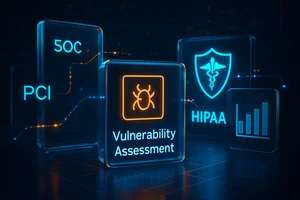
Auditors and customers ask for evidence of security testing. Vulnify scan reports support PCI, SOC 2, HIPAA-aligned, and vendor due diligence with documented vulnerability management.
 Guides
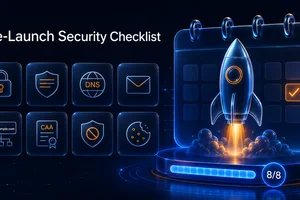
Before launch day, run eight free Vulnify checks: vulnerability scan, headers, SSL, DNS, email auth, subdomain exposure, CAA, and blacklist status. A practical go-live checklist for site owners.
 Guides
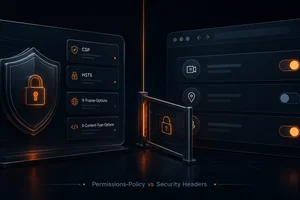
Security headers protect transport and content execution; Permissions-Policy restricts browser features like camera and geolocation. Learn how they differ and when to test both on Vulnify.
 Guides
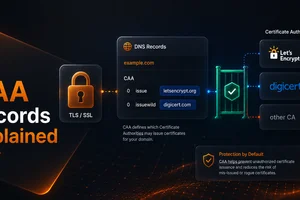
CAA records tell certificate authorities which CAs may issue TLS certificates for your domain. Learn what issue and issuewild mean, why missing CAA matters, and how to review policy with Vulnify.
 Guides
DNSBL listings can block mail and damage domain reputation overnight. Learn how public blacklists work, when to check them, and how to investigate listings with Vulnify free tools.